
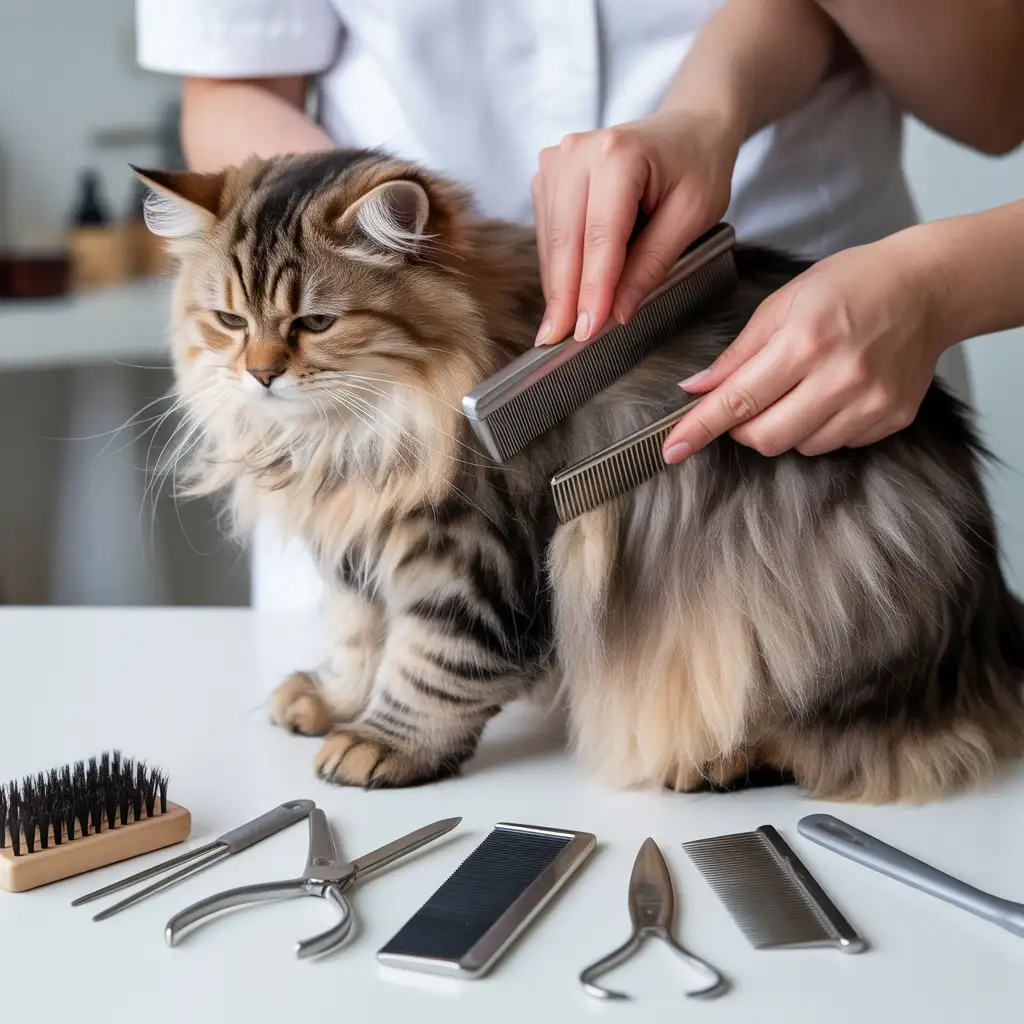
Cats are majestic creatures, and as a devoted pet owner, I’ve spent years observing their grooming habits and fur patterns. One question many cat lovers ask is: “What side of a cat has the most fur?” Through my personal experience and insights from veterinarians in Dubai, I’ve learned that understanding your cat’s fur distribution is key to keeping them comfortable, healthy, and beautifully groomed, which is why proper Pet Grooming in Dubai makes such a difference.
Understanding Your Cat’s Fur Patterns
Cats may look evenly furry, but their coats often have subtle differences in density across different areas. From my experience:
- The back and sides usually have the thickest fur. This is especially true for long-haired breeds like Persians or Maine Coons.
- The belly tends to have softer, but sometimes sparser fur, making it more sensitive to touch.
- Legs and tail fur vary with breed, but these areas often require careful attention during grooming to prevent matting.
Veterinarians explain that fur density is influenced by genetics, seasonal changes, and health. For example, a cat shedding in spring may have thinner fur on the back temporarily.
Why Grooming the Thickest Fur is Important
From my years of grooming cats, I’ve noticed that ignoring the thickest areas of fur can lead to:
- Matting and tangles: This is especially common along the back and sides.
- Skin irritation: Thick fur can trap moisture or dirt, causing discomfort.
- Hairballs: Cats groom themselves, and loose fur can contribute to hairballs if not removed with brushing.
Regularly brushing these areas not only keeps your cat comfortable but also strengthens your bond. My own cat enjoys grooming sessions when I focus on these thick-furred regions, often purring loudly as I brush, which is why professional Cat Grooming in Dubai can be so beneficial for busy pet owners.
Safe Grooming Techniques for Cats
Grooming a cat requires patience, the right tools, and awareness of their comfort. Here’s how I approach it:
Tools You’ll Need
- Slicker brush: Ideal for dense back and side fur.
- Comb with wide and narrow teeth: Helps detangle knots.
- De-shedding tool: Works well for reducing shedding in thick coats.
Step-by-Step Grooming
- Create a calm environment: Soft music or gentle petting helps your cat relax.
- Start with the back and sides: Brush in the direction of hair growth to avoid discomfort.
- Check for mats and tangles: Use the comb gently on stubborn areas.
- Move to sensitive areas: Belly, legs, and underarms require slower, careful strokes.
- Reward your cat: Treats or playtime reinforce positive grooming experiences.
Grooming Frequency
Short-haired cats, on the other hand, usually do well with brushing just once or twice a week to keep their coat healthy and shiny.
Common Grooming Mistakes to Avoid
From my hands-on experience, even well-meaning pet owners sometimes:
- Brush too aggressively, causing pain or skin scratches.
- Neglect certain areas, like behind the ears or under the legs.
- Use improper tools, leading to fur breakage.
Following safe, consistent techniques prevents stress and ensures your cat stays happy and healthy.
Conclusion: Keep Your Cat Comfortable and Beautiful
Understanding which side of a cat has the most fur is more than a curiosity; it’s a guide for safe and effective grooming. By focusing on the thickest areas, using the right tools, and maintaining a gentle approach, you can reduce shedding, prevent mats, and strengthen your bond with your feline friend, while also learning how to Cure Mange in Cats Safely if any skin issues arise.
With consistent care and love, grooming your cat can become an enjoyable routine rather than a stressful task. Taking the time to gently brush and attend to your cat not only keeps their coat healthy and shiny but also strengthens the bond between you and your pet.