
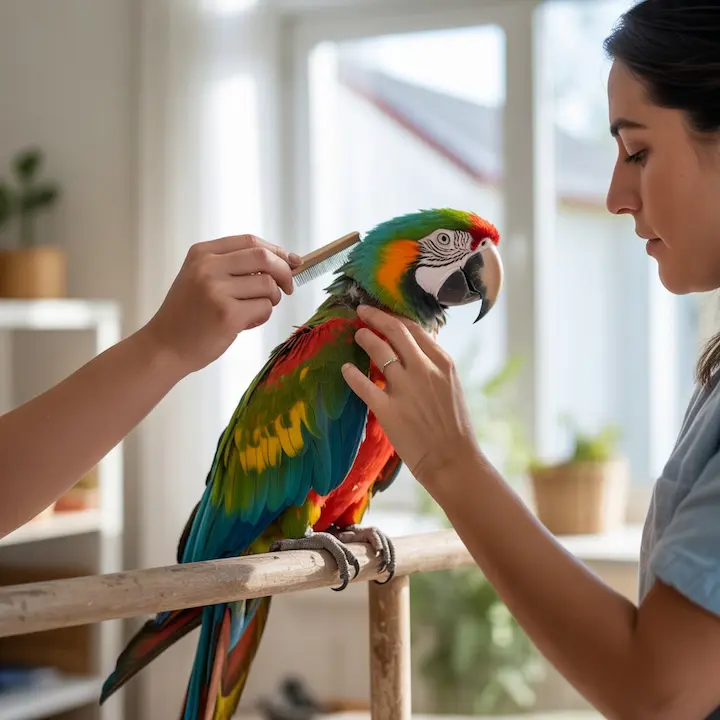
Owning a pet bird comes with joy, companionship, and responsibility. One crucial aspect of bird care is grooming, which keeps your feathered friend healthy, comfortable, and happy. Bird Grooming at home may seem daunting, but with the right knowledge, tools, and techniques, it can become a simple and stress-free routine. Many owners focus on Pet Grooming in Abu Dhabi to keep their pets and birds looking and feeling their best.
This guide will walk you through the essential steps and tips to groom your bird safely.
Why Grooming Your Bird at Home Matters
Regular grooming is not just about keeping your bird looking neat. It is essential for their physical and mental well-being. Proper grooming helps:
- Prevent overgrown nails and beaks.
- Reduce the risk of infections.
- Keep feathers clean, vibrant, and free from parasites.
- Strengthen the bond between you and your bird.
Neglecting grooming can lead to discomfort, health issues, and behavioral problems
Essential Tools for Home Bird Grooming
Before you start, gather the right tools to make the process safe and efficient:
- Bird nail clippers or guillotine-style trimmers: to prevent overgrowth.
- Soft-bristled toothbrush or bird-safe comb: for gentle feather care.
- Styptic powder: to stop bleeding if nails are accidentally cut too short.
- Small towel: to safely restrain your bird during grooming.
- Shallow dish or spray bottle for bathing.
Using appropriate tools ensures safety and reduces stress for your pet. In my experience, tips from Birds Grooming in Abu Dhabi made grooming at home much easier and more comfortable for my bird.
Step-by-Step Guide to Grooming Your Bird
1. Nail Trimming
Overgrown nails can make perching uncomfortable and lead to injuries. To trim nails at home:
- Gently hold your bird on your lap or in a towel.
- Spot the quick, the blood vessel that shouldn’t be cut, Avoid cutting it.
- Trim small portions at a time.
- Use styptic powder if you accidentally cut the quick.
Regular trimming every 4 to 6 weeks is usually sufficient.
2. Beak Care
Birds naturally maintain their beaks by chewing, but sometimes trimming is necessary:
- Offer chew toys or cuttlebones to naturally wear down the beak.
- If overgrowth occurs, gently file the beak with a bird-safe emery board or consult a vet.
3. Feather Maintenance
Feathers require routine care to prevent dirt, mites, and breakage:
- Provide shallow baths or gentle misting 1 to 2 times a week.
- Use a soft-bristled comb to detangle feathers carefully.
- Remove damaged feathers if necessary, but avoid plucking healthy ones.
4. Wing Clipping (Optional)
Some owners clip wings for safety, but this should be done cautiously:
- Clip only a few primary feathers to prevent injury.
- Leave enough feathers for natural balance.
- Consult a professional if unsure.
Wing clipping is optional and should prioritize the bird’s safety over control.
Safety Tips and Best Practices
- Stay calm: Birds are sensitive to stress; speak softly and move slowly.
- Regular check-ups: Monitor for unusual behaviors, feather loss, or overgrown nails.
- Hygiene: Clean grooming tools and bathing areas to prevent infections.
- Positive reinforcement: Reward your bird with treats or praise after grooming.
Following these practices ensures a safe, healthy, and enjoyable grooming experience for your pet.
Conclusion
Bird Grooming at home is a rewarding part of pet ownership. By maintaining nails, beaks, and feathers, you not only enhance your bird’s health but also strengthen the bond between you and your companion. Understanding the role of bird grooming in your pet’s overall health has helped me appreciate why regular care is so important. With the right tools, techniques, and patience, home grooming can become a routine that benefits both you and your feathered friend.