
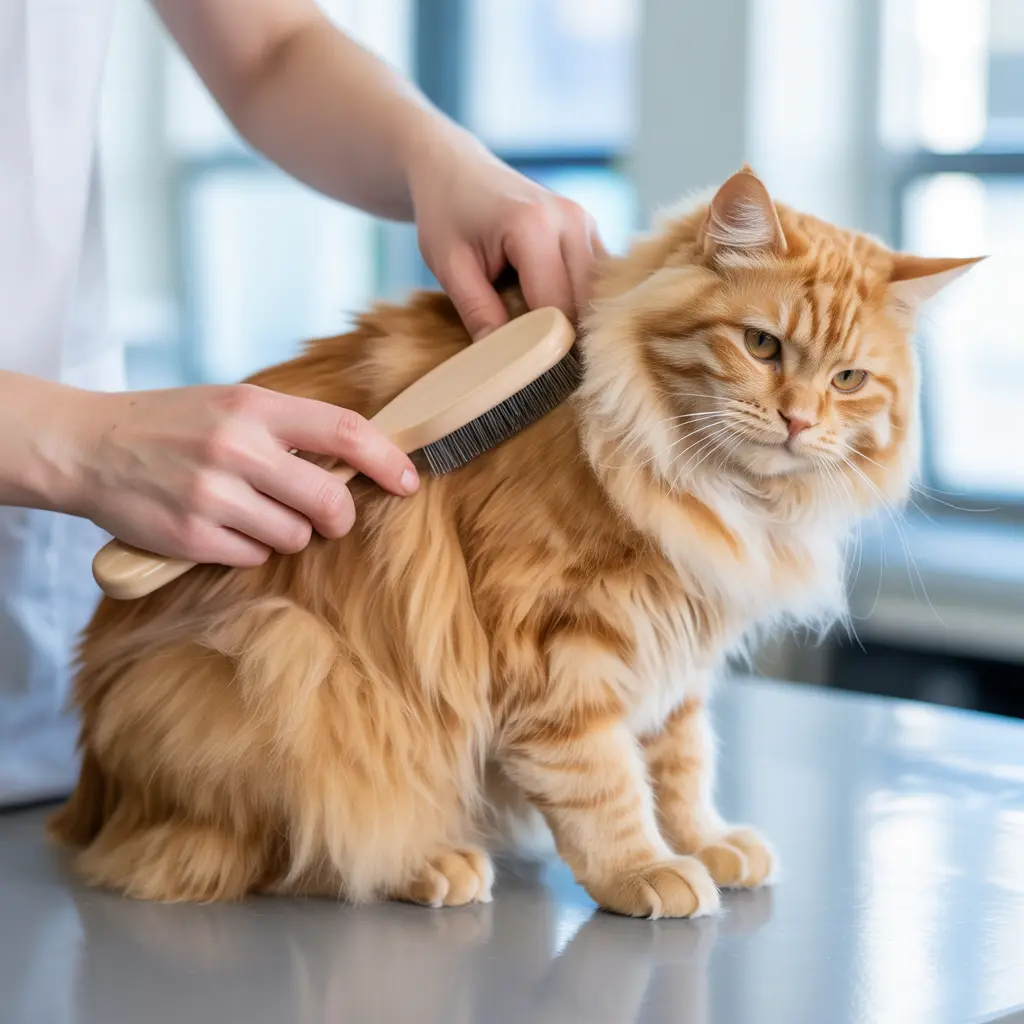
Being a cat owner for a long time, I’ve learned that grooming is more than just keeping your cat looking sleek; it’s essential for their health and happiness. During my time in Abu Dhabi, I also learned how professional Pet Grooming in Abu Dhabi can make a huge difference in a cat’s comfort and health.
In this guide, I’ll share my personal experience, expert tips, and actionable advice on How Often Should I Groom My Cat to master cat grooming.
Why Grooming Your Cat Matters
Many cat owners underestimate the importance of regular grooming. Beyond appearance, grooming affects your cat’s health in several ways:
- Reduces hairballs: Regular brushing removes loose fur that could otherwise be ingested.
- Prevents matting: Long-haired cats are especially prone to painful tangles.
- Promotes healthy skin: Brushing distributes natural oils across the coat.
- Early detection of health issues: Grooming allows you to spot skin problems, lumps, or parasites early.
From my own experience, even short grooming sessions can significantly improve your cat’s overall wellbeing.
How Often Should You Groom Your Cat?
The frequency of grooming depends largely on your cat’s coat type and lifestyle. Here’s a simple breakdown based on my personal experience and expert advice:
Short-Haired Cats
- Frequency: Once a week is usually sufficient.
- Tips: Use a soft-bristle brush or grooming glove to remove loose hair and stimulate the skin.
Long-Haired Cats
- Frequency: 3 to 5 times per week is ideal.
- Tips: A slicker brush works well to prevent mats, and a comb can help reach the undercoat.
Cats with Special Needs
- Cats with sensitive skin or medical conditions may require grooming more frequently, but always consult your vet for a personalized schedule.
When I was in Abu Dhabi with my cat Lissa, I realized how regular Cat Grooming in Abu Dhabi can keep her coat healthy and shiny, even during travel.
Essential Grooming Tools
Here’s what I always keep on hand:
- Slicker Brush: Great for detangling long hair.
- Soft Bristle Brush: Ideal for short-haired cats.
- Comb: Helps remove stubborn tangles and loose hair.
- Nail Clippers: Regular trimming prevents overgrowth and discomfort.
- Grooming Wipes: Handy for cleaning paws and face.
Investing in quality grooming tools ensures your cat is comfortable and reduces the risk of injury.
Tips for Stress-Free Grooming
Cats can be sensitive, so a gentle approach is key. Here’s what works for me:
- Pick a peaceful: spot your cat knows well.
- Start slowly: Begin with short sessions and gradually increase time.
- Check for signs of discomfort: Stop immediately if your cat shows stress or pain.
Consistency is crucial. Even a few minutes daily can prevent mats, hairballs, and anxiety during grooming sessions.
Common Grooming Challenges
- Matting: Use a dematting comb and avoid pulling on tangles.
- Shedding: Regular brushing helps manage excess hair, especially during seasonal changes.
- Nail trimming: Introduce clippers gradually, and reward your cat with treats afterward.
From experience, patience and persistence are the best tools for overcoming these challenges.
Conclusion
Grooming your cat is not just about aesthetics, it’s a vital part of maintaining their health and happiness. By understanding your cat’s coat type, using the right tools, and grooming consistently, you’ll reduce hairballs, prevent matting, and strengthen your bond, especially when focusing on Persian Cat Grooming for long-haired breeds. Remember, even short daily sessions can make a huge difference. So, whether you have a short-haired cat or a long-haired one, a consistent grooming routine is the key to a healthy, happy feline companion.