
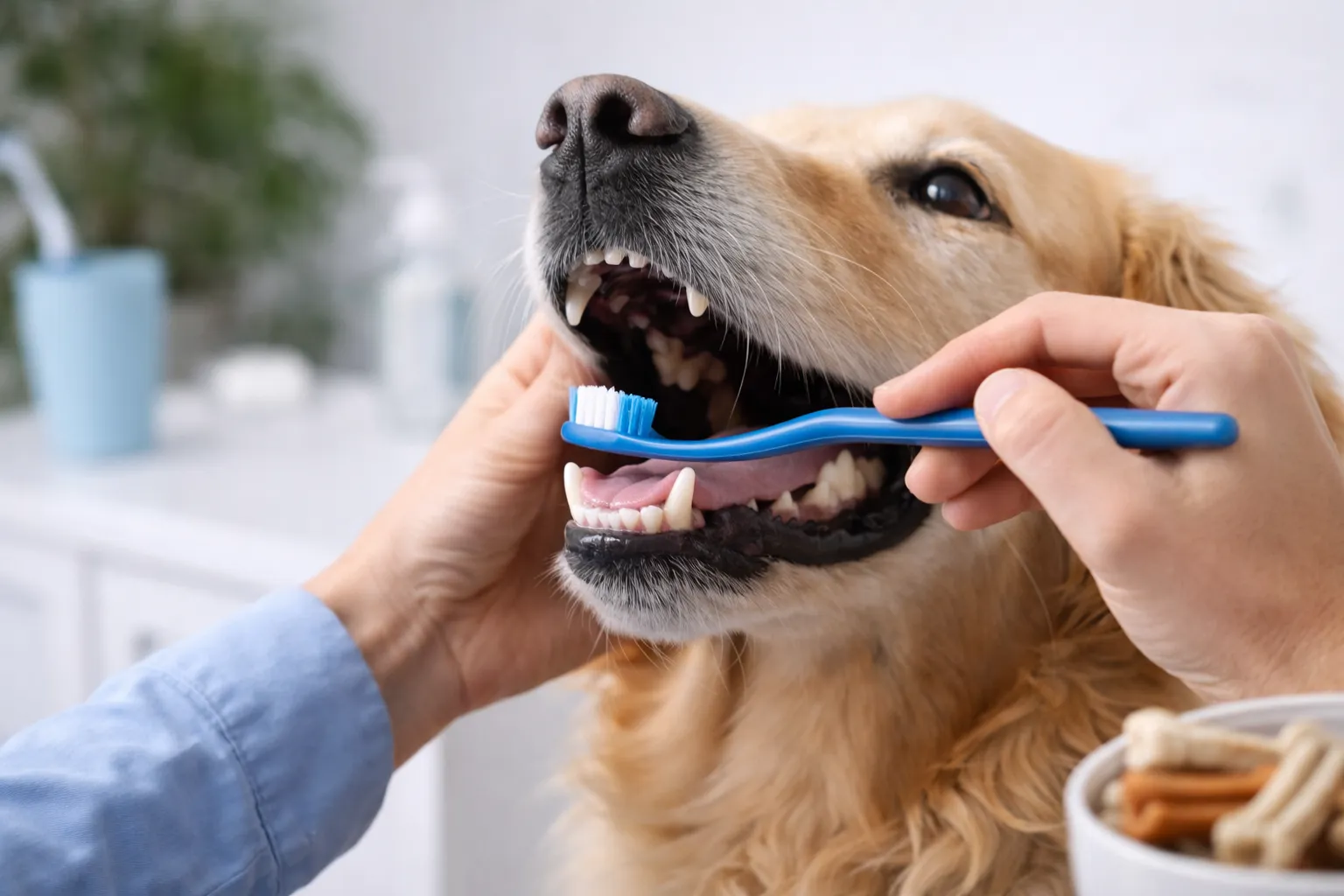
As a dog owner, I’ve experienced that dental care is just as important as nutrition and exercise. Over the years in Abu Dhabi, I’ve seen firsthand how neglecting oral hygiene can lead to bad breath, gum disease, and even serious health issues in dogs. That’s why I make it a priority to know how to clean a dog’s teeth effectively, combining my experience, research, and insights from pet grooming in Abu Dhabi.
Maintaining your dog’s oral health is not just about aesthetics; it’s about overall well-being. With consistent care, you can prevent plaque buildup, protect your dog’s teeth, and ensure a happy, healthy smile.
Why Cleaning Your Dog’s Teeth Is Crucial
Dental problems in dogs are more common than many realize. Plaque and tartar accumulate quickly, leading to gum inflammation, tooth loss, and infections that can affect the heart, liver, and kidneys.
From my personal experience, regular brushing has significantly reduced vet visits for dental issues. Some key benefits of cleaning your dog’s teeth include:
- Prevention of periodontal disease: Regular cleaning keeps bacteria at bay.
- Fresh breath: A noticeable difference in odor can be achieved with consistent care.
- Improved overall health: Healthy teeth contribute to a stronger immune system.
- Early detection of problems: Routine care allows you to spot abnormalities early.
How Often Should You Clean Your Dog’s Teeth?
Veterinarians generally recommend brushing your dog’s teeth at least 2 to 3 times a week, but daily brushing is ideal for optimal oral health. When I was in Abu Dhabi, I brushed my dog, Max, after dinner every day; this technique was shared by Dog Grooming Abu Dhabi experts.
And my suggestion is, if your dog resists brushing at first, don’t worry. Start slowly, using your finger or a soft brush, and gradually introduce a dog-safe toothpaste. Patience is key.
Tools You Need to Clean Dogs Teeth Effectively
Choosing the right tools makes a huge difference. Here’s what I use:
- Dog-specific toothbrush: Angled brushes reach the back teeth easily.
- Dog toothpaste: Never use human toothpaste; it contains fluoride, which is toxic to dogs.
- Dental chews and toys: These help reduce plaque between brushing sessions.
- Water additives or oral sprays: Optional but effective for extra protection.
I’ve found that combining brushing with dental chews keeps my dog’s teeth cleaner and gums healthier.
Step-by-Step Guide to Brushing Your Dog’s Teeth
Here’s my tried-and-tested method:
- Prepare your dog: Calm your dog and let them sniff the toothbrush and toothpaste.
- Start slow: Lift the lips and brush a few teeth at a time.
- Use gentle, circular motions: focus on the gum line, where plaque tends to accumulate.
- Reward your dog: Always finish with praise or a small treat to create a positive association.
- Consistency matters: Brush at the same time each day to establish a routine.
Tip: For dogs that strongly resist brushing, using finger brushes or dental wipes can be a gentle alternative.
Additional Tips for Healthy Dog Teeth
- Regular veterinary check-ups: Professional cleanings may be needed annually.
- Healthy diet: Avoid sugary treats and provide crunchy foods to naturally reduce plaque.
- Monitor for warning signs: Bad breath, excessive drooling, or red gums indicate it’s time to act.
From my experience, combining daily brushing, dental treats, and vet visits creates a strong foundation for long-term oral health.
Conclusion: Keep Your Dog’s Smile Healthy
Knowing how to clean a dog’s teeth is one of the most rewarding aspects of pet ownership. With the right tools, consistent habits, and a little patience, you can prevent painful dental issues and keep your dog happy, which helps you steer clear of Common Grooming Mistakes Every Pet Owner Should Avoid. Remember, dental care is not just cosmetic; it’s a vital part of your dog’s overall health. Start today, and you’ll see the benefits in your furry friend’s bright, healthy smile.